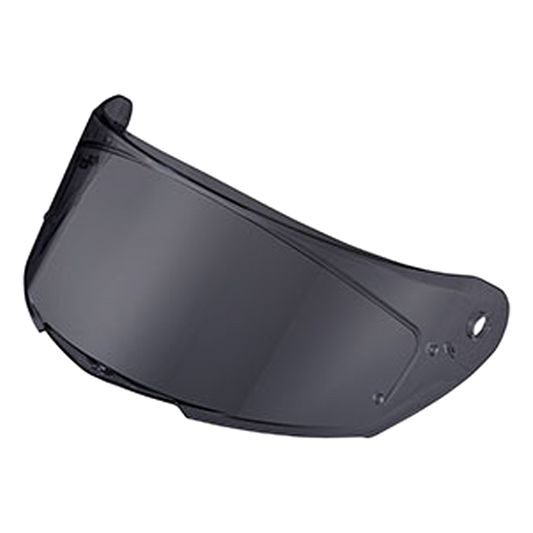
Road Legal vs Not Road Legal Motorcycle Visors
What Every Rider Needs to Know
If you’ve ever squinted through a dark, mirrored visor at a bright summer afternoon, or struggled with foggy plastic on a chilly morning, you know that a visor isn’t just a piece of plastic, it’s your window to the world. And in the UK, not all visors are created equal. Some are perfectly fine for a blast down the motorway; others belong strictly to the track. Today, we’re diving deep into the world of road legal vs not road legal visors, so you can ride safe, see clearly, and avoid an unexpected chat with the boys in blue.

What Does “Road Legal” Actually Mean?
When a visor is road legal, it meets the safety standards set out by the ECE (Economic Commission for Europe) 22.05 or 22.06 regulations. These standards cover things like:
- Impact resistance – your visor must withstand flying debris without shattering.
- Optical clarity – no blurring, distortion, or warping that could affect vision.
- Light transmission limits – clear visors are always legal; tinted and mirrored visors must meet minimum visibility requirements.
In simple terms: if your visor has the ECE “E-mark” stamp, it’s legal for road use in the UK and most of Europe. No stamp? Don’t even think about taking it on public roads.
Not Road Legal Doesn’t Mean Unsafe
Here’s the kicker, not road legal doesn’t automatically mean dangerous. Some visors are designed for the track, the sunniest summer rides, or photography work, where maximum tint or mirror finishes reduce glare or improve aesthetics. But these visors aren’t approved for public roads because they can reduce visibility in low-light conditions, making you a hazard to yourself and others.
Think of it like this: you wouldn’t ride a Ducati at a snail’s pace through town just because it looks cool on the track. Same goes for visors, designed for extremes, not everyday traffic.
Dark and Mirrored Visors: A Grey Area
One of the most common questions we get is: “Can I ride with a mirrored visor?” The answer is… it depends.
- Daytime: Some light mirrored visors are road legal if they meet the ECE light transmission limits.
- Night or low light: Almost always illegal. You need enough light hitting your eyes to react to hazards.
If you’re in doubt, check the E-mark on the visor or stick with a lighter tint, your eyes (and the law) will thank you.

Pinlock and Anti-Fog: Legal, Safe, and Rider-Friendly
For those who ride year-round, foggy visors are a nightmare. Anti-fog coatings and Pinlock-ready visors are fully legal for road use in the UK, provided the visor itself has the E-mark.
- Pinlock inserts create a tiny air gap between the visor and insert, stopping condensation before it starts.
- Anti-fog coatings are chemical treatments that repel moisture.
Combined, they make winter mornings and rainy rides far less of a battle. And yes, they’re road legal.
On the open road, your road-legal visor is your trusted companion. It cuts the glare, keeps the wind and rain off your face, and lets you focus on the corners ahead. You’re riding hard, but smart, fully visible, fully protected, and fully within the law.
Come the weekend, when the track or an off-road adventure calls, it’s a different story. That same road-legal visor would hold you back from pushing limits. Instead, you swap in a dark mirrored or track-only visor, not road legal, but engineered for extreme conditions. The sun doesn’t blind you, the tarmac stays sharp, and you can ride with confidence where it’s safe to push your machine.
The takeaway is simple: use the right visor for the right environment. Road-legal visors on public streets, track-only or heavily tinted visors off-road or on closed circuits. It’s about staying safe, riding smart, and making every ride count.